
Struggling with Enlarged Prostate Symptoms?
Get clarity on your symptoms with our $150 prostate screening which includes a specialist consultation and diagnostic ultrasound.

What is an Enlarged Prostate?
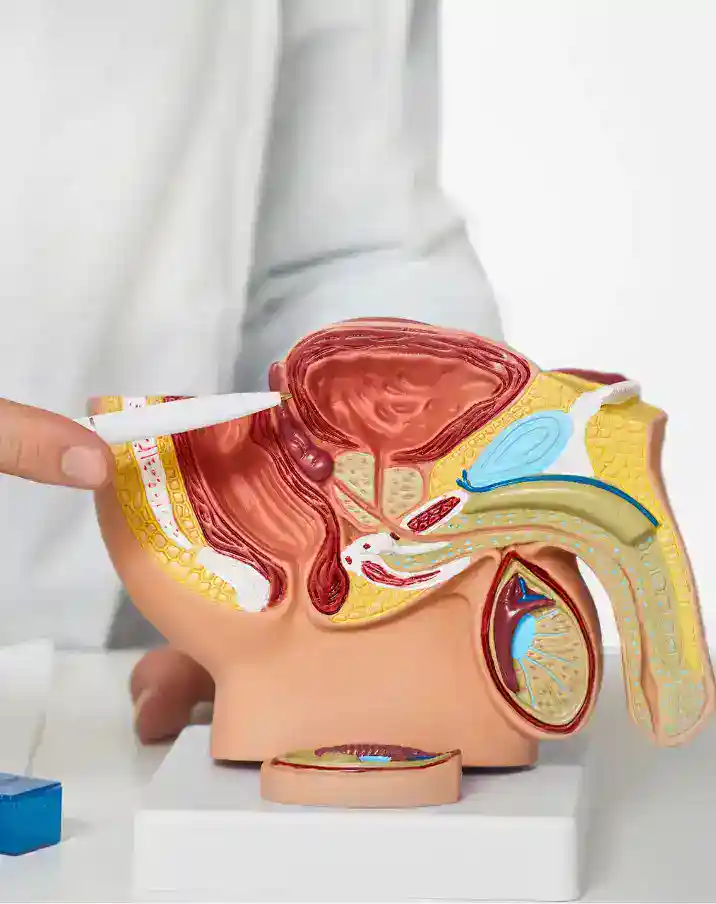
An enlarged prostate, also known as Benign Prostatic Hyperplasia (BPH), is a common condition affecting men, particularly over the age of 50. It occurs when the prostate gland grows larger and begins to press against the urethra, causing troublesome urinary symptoms.
It’s not cancer, but it can seriously affect your daily quality of life.
Many men don’t realise their symptoms are prostate-related.
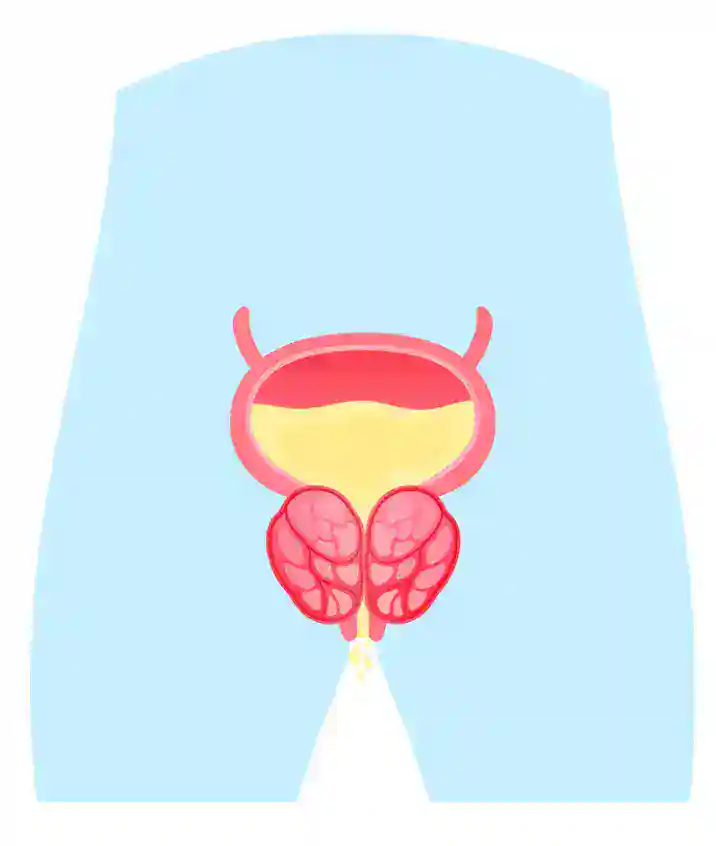
Ask yourself:
- Do you wake up at night needing to urinate?
- Is your urine flow weak or slow?
- Do you struggle to start urinating?
- Do you feel like you never fully empty your bladder?
- Do you urgently need to rush to the toilet?
If you answered YES, an ultrasound can confirm whether an enlarged prostate is the cause.
The good news? They are treatable, and surgery is not your only option.
You Have Options, Including Non-Surgical Ones
To monitor symptoms
To manage symptoms temporarily
TURP: surgically cut away excess prostate tissue
PUL: small implants placed to decompress the urethra
- Long recovery times
- Surgical incisions required
- Hospital stay and surgical risks
- Higher costs due to operating room and anaesthesia (facility fees)
- Potential impact on fertility
- Possibility of urinary incontinence and erectile dysfunction
What is Prostate Artery Embolisation (PAE)?
A non-surgical, outpatient procedure that:
- Requires only a single puncture (no large scars)
- Has a recovery time of just a few days (vs. weeks for surgery)
- Preserves your sexual function
- Costs significantly less than surgery
- Typically covered under Medisave and insurance (depending on your plan)
Transurethral Resection of the Prostate (TURP)
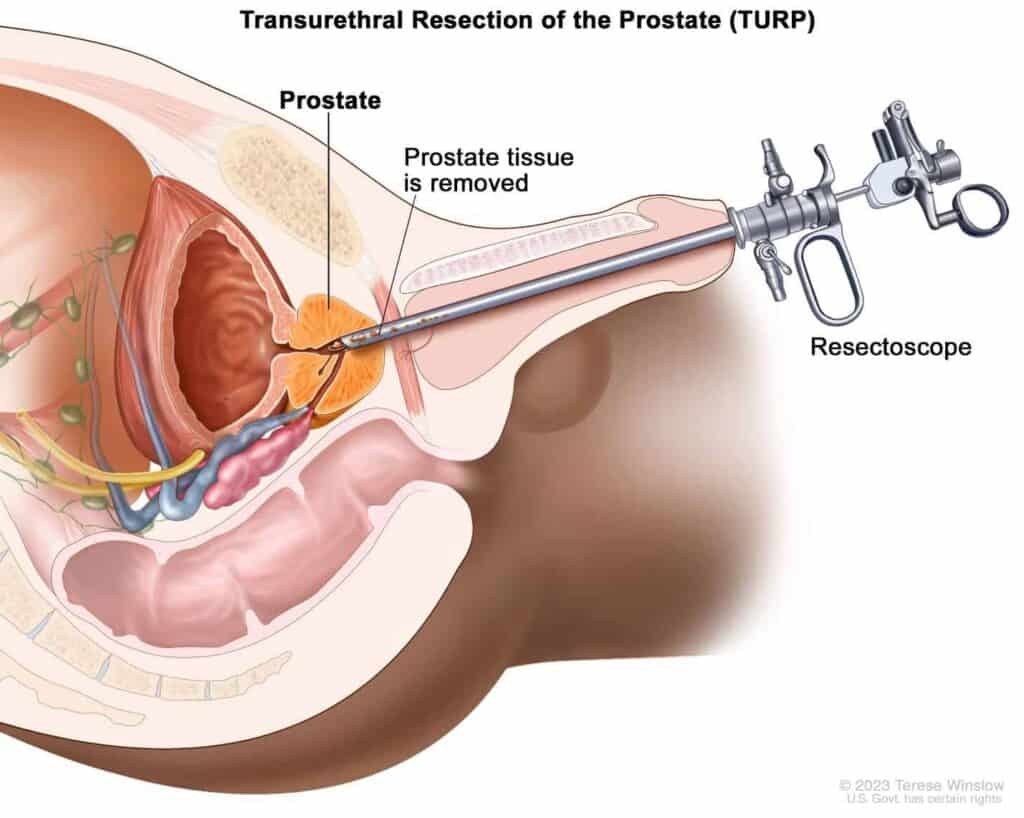
Prostate Artery Embolisation (PAE)
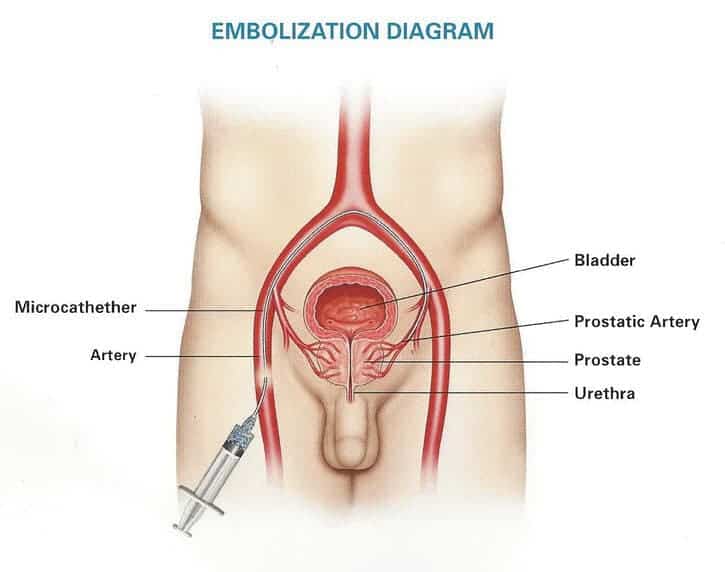
How does it work?
Without blood flow, prostates shrink naturally over time.
What is Prostate Artery Embolisation (UFE)?
A non-surgical, outpatient procedure that:
- Requires only a single puncture (no large scars)
- Has a recovery time of just a few days (vs. weeks for surgery)
- Preserves your sexual function
- Costs significantly less than surgery
- Typically covered under Medisave and insurance (depending on your plan)
Transurethral Resection of the Prostate (TURP)
Prostate Artery Embolisation (PAE)
How does it work?
Using advanced imaging guidance, our vascular surgeons injects particles through a tiny catheter at the groin directly to the blood vessels feeding your prostate, cutting off their blood supply.Without blood flow, enlarged prostates shrink naturally over time.
Why Choose the Vascular and Interventional Centre?
At our centre, you’ll be seen by our team of trusted vascular specialists with extensive experience in prostate management through PAE.
We offer:
- Personalised consultations tailored to your symptoms and lifestyle
- In-house diagnostic ultrasound to assess your prostate accurately
- Clear, honest explanation of your treatment options, including risks and benefits
- Fast, same-day procedures with our in-house hybrid operating theatre
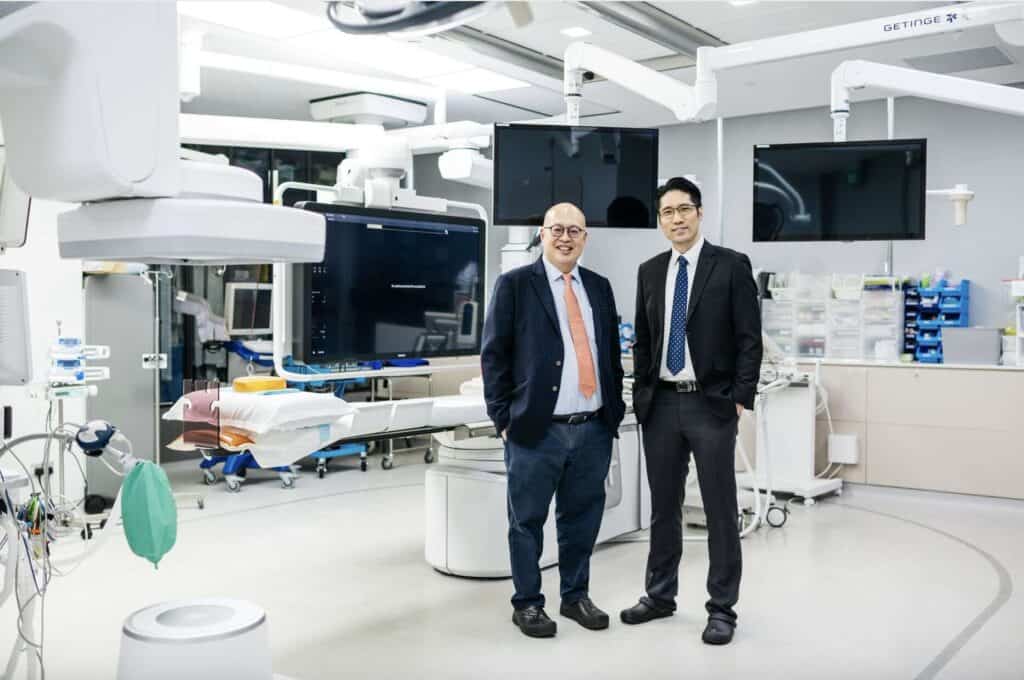
Why Choose the Vascular and Interventional Centre?
We offer:
- Personalised consultations tailored to your symptoms and lifestyle
- In-house diagnostic ultrasound to assess your prostate accurately
- Clear, honest explanation of your treatment options, including risks and benefits
- Fast, same-day procedures with our in-house hybrid operating theatre
Take the First Step
$150 for Consultation + Ultrasound
- Full evaluation by our vascular specialist
- Ultrasound imaging of the prostate
- Discussion of treatment options, including PAE
- Answers to all your questions—no pressure
Discover your options, safely and effectively.
FAQs About Enlarged Prostate and PAE
No, BPH typically progresses over time and can worsen symptoms. While some lifestyle changes may offer minor relief, the prostate usually continues to grow. Early assessment is key to managing symptoms effectively.
While BPH is non-cancerous, it can significantly impact your quality of life and, if left untreated, can lead to complications like urinary tract infections, bladder stones, or kidney damage. It’s serious enough to warrant professional medical attention if symptoms are bothersome.
Yes. PAE is a well-established, evidence-based procedure with a strong safety record. It’s performed by highly trained vascular surgeons using advanced imaging.
PAE is suitable for a wide range of prostate sizes and types of BPH. Your specialist will review your specific case during the consultation and ultrasound to determine suitability.
PAE is known for its safety profile regarding sexual function. Unlike TURP, PAE preserves sexual function with minimal risk of retrograde ejaculation.
Most patients experience mild pelvic discomfort or cramping for a few days after the procedure, which is generally well-managed with over-the-counter pain relievers. The procedure itself is done under local anesthesia and sedation.
The procedure itself typically takes between 1 to 2 hours, depending on the individual’s anatomy. Most patients can go home on the same day.
While some improvement may be felt within a few days, the prostate shrinks gradually. Significant symptom relief is typically noticed over 2-4 weeks to a few months as the prostate continues to reduce in size.
PAE has a low recurrence rate. Most men experience long-term relief from their BPH symptoms following the procedure, with studies showing durable results for many years.
While costs vary, PAE is often a more cost-effective option than traditional BPH surgeries. This is partly due to it being less invasive, often performed as an outpatient procedure, and typically requiring a shorter recovery period. Our doctors discuss specific costs during your consultation.